Researchers have developed a capsule-based method that makes it possible to analyse the same cell through multiple experimental steps. The technology overcomes a long-standing limitation in cell research and could open new ways to study disease mechanisms at the single-cell level.
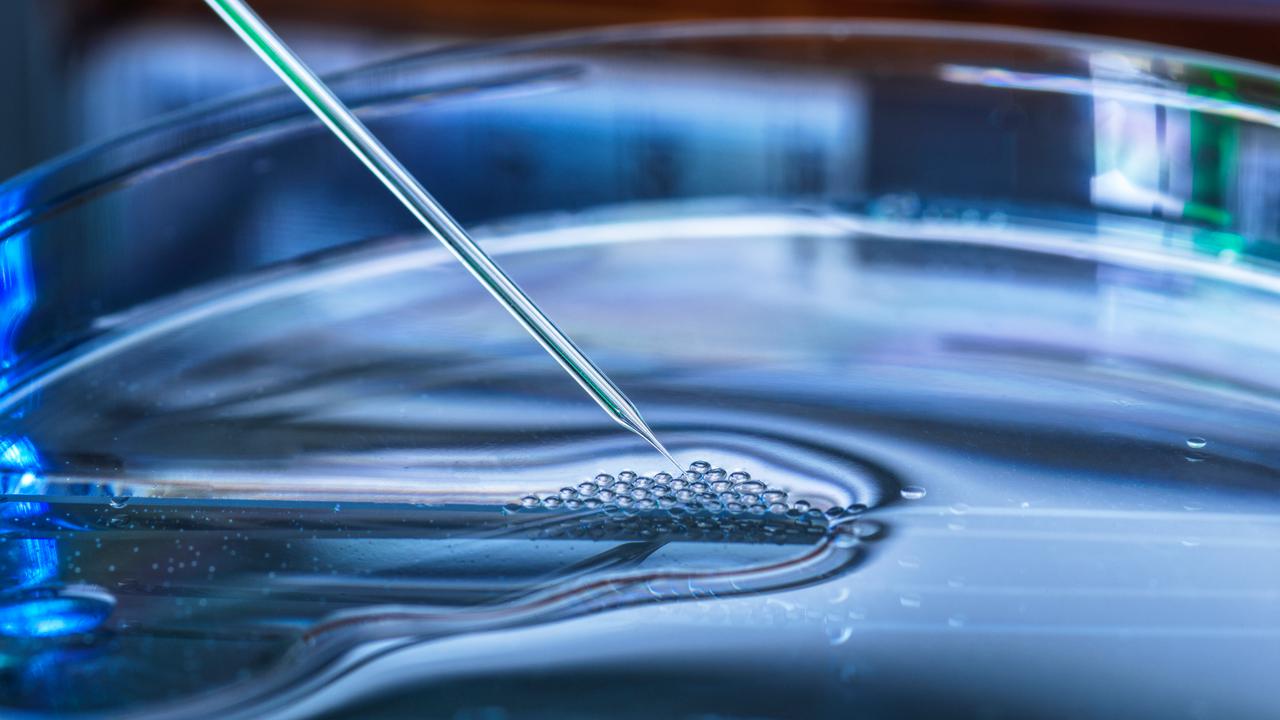
The capsule-based technology opens up new possibilities for studying individual cells and their genetic material. Image – Johner Bildbyrå AB
In a study published in the scientific journal Science, Visiting Professor Linas Mazutis at Umeå University and his research team present a new technology for analysing individual cells. The method addresses a long-standing technical challenge in cell research: until now, scientists have usually only been able to analyse each cell once, which has made it difficult to study how individual cells change or respond to different experimental conditions.
“All cells are different, and understanding those differences is key to understanding disease,” says Linas Mazutis.
Small capsules keep the cells’ DNA intact
The new technology is based on an innovation that the researchers call semi-permeable capsule technology, using microscopic capsules each containing a single cell. The capsules have a liquid core surrounded by a thin, porous membrane. Small molecules, such as enzymes and chemical reagents, can pass through the membrane, while larger molecules like DNA and RNA are retained inside.
This makes it possible to analyse hundreds of thousands of individual cells simultaniously using standard laboratory equipment. The single cells can be treated and analysed multiple times without being lost or contaminated, something that has not been possible with earlier droplet-based techniques.
“The capsules combine the speed of microfluidics – a technology that works with extremely small liquid volumes – with the flexibility of traditional laboratory workflows,” says Linas Mazutis. “This makes it possible to carry out advanced molecular biology workflows step by step, while keeping each cell’s genetic material isolated.”
Easier to identify rare cell types
The researchers also show that cells can be kept alive inside the capsules for extended periods, or broken down for genetic analysis. In addition, they introduce a new RNA sequencing approach that makes it easier to identify fragile or rare cell types – cells that often disappear when using existing methods.
CapSeq performance

A) Schematics of capsule-based single-cell RNA-Seq (CapSeq) approach. B) CapSeq performance on K-562 cell line at a sequencing depth 20.000 reads per cell. C) Left: Flowchart detailing harsh and mild lysis workflow. Right: White blood cells from a healthy individual, prepared for scRNA-Seq under harsh and mild lysis conditions, projected on a UMAP. Note, the reduced recovery of neutrophils and basophils (Bsph) under mild lysis conditions. D) Comparative analysis of transcript and gene recovery in healthy human neutrophils with CapSeq, 10X Genomics (V3.1) and BD Rhapsody platforms (downsampled to 15’000 reads per cell).
According to the researchers, the technology is both simple and scalable, making it suitable for widespread use in biological and medical research. In the longer term, it could contribute to deeper insights into how diseases arise at the cellular level and help pave the way for more precise and personalised treatments. For example, researchers could use the method to study how individual cancer cells in the same tumour respond differently to a drug, or to identify rare immune cells that drive disease but are often missed by existing techniques.
Source – Umeå University


Researchers have developed a capsule-based method that makes it possible to analyse the same cell through multiple experimental steps. The technology overcomes a long-standing limitation in cell research and could open new ways to study disease mechanisms at the single-cell level.
The capsule-based technology opens up new possibilities for studying individual cells and their genetic material. Image – Johner Bildbyrå AB
In a study published in the scientific journal Science, Visiting Professor Linas Mazutis at Umeå University and his research team present a new technology for analysing individual cells. The method addresses a long-standing technical challenge in cell research: until now, scientists have usually only been able to analyse each cell once, which has made it difficult to study how individual cells change or respond to different experimental conditions.
Small capsules keep the cells’ DNA intact
The new technology is based on an innovation that the researchers call semi-permeable capsule technology, using microscopic capsules each containing a single cell. The capsules have a liquid core surrounded by a thin, porous membrane. Small molecules, such as enzymes and chemical reagents, can pass through the membrane, while larger molecules like DNA and RNA are retained inside.
This makes it possible to analyse hundreds of thousands of individual cells simultaniously using standard laboratory equipment. The single cells can be treated and analysed multiple times without being lost or contaminated, something that has not been possible with earlier droplet-based techniques.
Easier to identify rare cell types
The researchers also show that cells can be kept alive inside the capsules for extended periods, or broken down for genetic analysis. In addition, they introduce a new RNA sequencing approach that makes it easier to identify fragile or rare cell types – cells that often disappear when using existing methods.
CapSeq performance
A) Schematics of capsule-based single-cell RNA-Seq (CapSeq) approach. B) CapSeq performance on K-562 cell line at a sequencing depth 20.000 reads per cell. C) Left: Flowchart detailing harsh and mild lysis workflow. Right: White blood cells from a healthy individual, prepared for scRNA-Seq under harsh and mild lysis conditions, projected on a UMAP. Note, the reduced recovery of neutrophils and basophils (Bsph) under mild lysis conditions. D) Comparative analysis of transcript and gene recovery in healthy human neutrophils with CapSeq, 10X Genomics (V3.1) and BD Rhapsody platforms (downsampled to 15’000 reads per cell).
According to the researchers, the technology is both simple and scalable, making it suitable for widespread use in biological and medical research. In the longer term, it could contribute to deeper insights into how diseases arise at the cellular level and help pave the way for more precise and personalised treatments. For example, researchers could use the method to study how individual cancer cells in the same tumour respond differently to a drug, or to identify rare immune cells that drive disease but are often missed by existing techniques.
Source – Umeå University
Baronas D, Norvaisis S, Zvirblyte J, Leonaviciene G, Mikulenaite V, Goda K, Kaseta V, Sablauskas K, Griskevicius L, Juzenas S, Mazutis L. (2025) High-throughput single cell omics using semipermeable capsules. Science [Epub ahead of print]. [article]
Related Posts
RNAmel simplifies RNA sequencing data analysis with a reproducible, integrated platform
Heart failure reshapes bone marrow to create inflammation-related immune memory
Overlooked DNA regions surrounding ‘microexons’ hold missing pieces of autism’s genetic puzzle
RiboBA improves detection of hidden protein-coding regions using ribosome profiling
An anti-senescence gene may fight spinal disc deterioration
Scientists identify the neuroblastoma cells that signal poor outcomes
Novel biosensor uses DNA ‘barcodes’ to uncover disease signals in cells
CellART extracts single-cell information from high-resolution spatial transcriptomics
Cell2space restores spatial context to single-cell RNA sequencing data
Urine test may improve bladder cancer diagnosis and guide treatment decisions
DeCoRE – a computational method to resolve RNA structural heterogeneity from RNA structure probing data by direct RNA sequencing
Tracing 700 million years of cell evolution
How should biological replicates be handled in long-read RNA sequencing?
RNA-Seq reveals a new way the developing heart controls its growth
The Human RNome Project Consortium seeks to publish first-ever complete sequence of the body’s RNA
scFlowReport brings multiple single-cell RNA sequencing analyses into one workflow
Long-read RNA sequencing reveals how neurons choose alternative RNA endings
DeOPUS improves cell-type estimates from bulk RNA sequencing
ResolVI improves accuracy in spatial transcriptomics analysis
RNA sequencing reveals transcriptional allele differences in prostate cancer stem cells
Stay Connected
Submit a Post to the Blog
Recent Posts
Subscribe to the RNA-Seq Blog
RNA-Seq Products & Services